
Have you ever started a book and been reading along thoroughly enjoying it, when suddenly the plot takes a dark turn or a character does something disgusting or you get a shot of fear ripping through you? Whatever it is, it is so horrible that you put the book down and vow never to read another page of it or a work by the author again.
This happens to me all the time, especially with Stephen King books. Plenty of other people love that knot-in-the-stomach feeling and devour King’s amazing novels. I get the creepy crawlies when I read horror so I usually avoid that genre. But what if the genre doesn’t make clear what horrors might lie inside a book? Or what if the story itself awakens someone’s memory of something bad that happened to them? A soldier might not want to read about a bloody battle. An assault survivor might not want to read a graphic description of a similar event in a story. Someone who has been discriminated against may not want to read a book with bigoted characters.
Now some people might say that such books should not be sold or be on library shelves but that means that those who are not bothered by that kind of fiction are denied access to books that they love.
That’s Censorship!
Alternatively, an author may consciously choose not to include anything they fear might upset someone. But that is censorship, too,
Self-Censorship!
There is a better way to deal with this problem – the use of trigger warnings.
WHY USE A WARNING?
A trigger warning is a listing or description of items in a story or novel that might cause a reader distress. In recent years these have become more common in fictional works.
You might see them in the burb of a book on Amazon or at the start of a paperback novel. These are designed to prepare an unsuspecting reader for what might be unappealing to them.
Including trigger warnings is important for those who have experienced trauma of some kind. Extreme fear changes the brain’s chemistry so that survivors have more difficulty dealing with stress and anxiety. This combined with the memory of the event, may release noradrenaline and cause the individual to feel overwhelmed even when there is no danger, such as reading a book. (Learn more and watch videos at Traumatic Stress Wales).
A trigger may cause panic and anxiety attacks, bring on depression, or a flashback. This can result in long-term setbacks to mental health, nightmares, disturbed sleep, and/or thoughts of suicide.
CATEGORIES OF WARNINGS
Trigger warnings usually include anything in the work that might cause a reader distress. These can range from the most horrible happenings like severe traumatic injuries to general content warnings such as divorce or ghosts. Here are a list of topics that authors can choose to issue warnings for.
- Abuse
- Animal cruelty
- Bigotry
- Blood and gore
- Death
- Depictions of grief and loss
- Graphic Sex
- Homophobia
- Racial slurs
- Rape
- Sexual violence or abuse
- Suicide or self-harm
- War and war crimes
Other categories can be found on the Book Trigger Wiki, an open-source site on which people can list books and suggested content warnings. The Trigger Warning Database gives content warnings for numerous categories.
HOW TO WRITE A TRIGGER WARNING
Trigger warnings can be added to a fiction work in a variety of ways. The simplest is to give the story a title or subtitle and/or a cover that warns a potential reader of possible troubling story content. The book cover images can also give clues.
Can you tell from these book covers what the content might be?
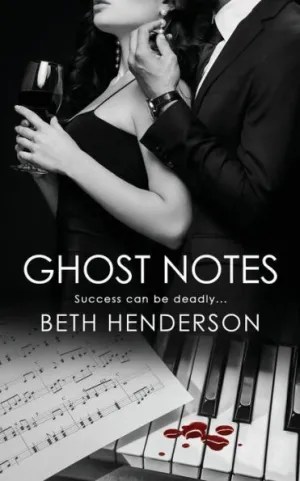

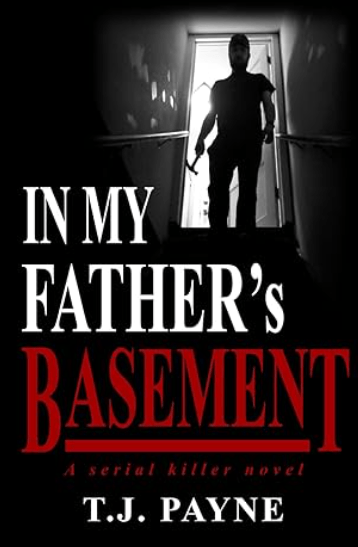
A trigger warning can also be written as a statement listing the troubling issues. This is usually placed at the front of the book.
Here are some templates.
- Trigger warning: This work contains references to x, y, z which some individuals may find distressing.
- Warning: The content of this work may be emotionally challenging for those who . . .
- This book includes content relating to x, y, and z that might not be suitable for some readers.
- This novel deals with the following issues: x, y, z.
EXAMPLE
[Book title] includes memories of childhood molestation, mental health ableism directed at a secondary character, period-typical homophobia, death of a character’s parent, a scene involving alcohol use and subsequent vomiting . . . ”
DESCRIPTIVE WARNINGS
However, what may be triggering to some may be exactly what another reader wants. Many times the triggering element(s) can be woven into a book’s blurb.
A clever writer can often use this as a way of sharing more about the book itself, while letting readers know what to expect. Here is the content warning for my biographical historical fiction novel Censored Angel, a book about censorship in the late 19th century.
This is a novel about sex, obscenity, and censorship. Any resemblance to current social issues is astonishingly remarkable. Warning: This book contains blunt descriptions of sexual relations judged obscene in 1902 and of suicide.
Here is one from my short story that will be appearing in the Hearts Through History Anthology to be released in September 2025.
“Harvest Dance” is set in rural upstate New York, the fall following the Battle of Gettysburg in 1863. The story deals with the horror of war, post-traumatic stress syndrome, thoughts of suicide, and the power of love to heal.
SHOULD YOU INCLUDE A CONTENT WARNING?
There are several reasons to include one of these types of warnings in your stories and novels. The most important is to prevent distress for anyone sensitive to or triggered by descriptions of traumatic events.
The second reason is to keep people from putting your book down and refusing to read other non-triggering works by you.
Third, disgruntled readers often put nasty warnings of their own in the reviews they write.
Have you ever included a trigger warning in your works?
Discover more from ZARA WEST'S JOURNAL
Subscribe to get the latest posts sent to your email.
