
We want our readers to empathize with our protagonist. We want our readers to feel something akin with them so they want to live through the character over the course of hundreds of pages. To do this, we don’t need to show any backstory or detailed character traits. When well done, you don’t need to describe eye or hair color or what happened at age two. All we need to show, somewhere at or near the start, the character experiencing some event while suffering a lack of one or more basic human needs. This “need” must be one the reader has also felt in some way and can empathize with.
Choosing an Empathetic Need
For inspiration, we can turn to Maslow’s Hierarchy of Human Needs. These are the needs considered basic to being human, and which all of us have experienced in one way or another just by living. These are grouped under the categories:
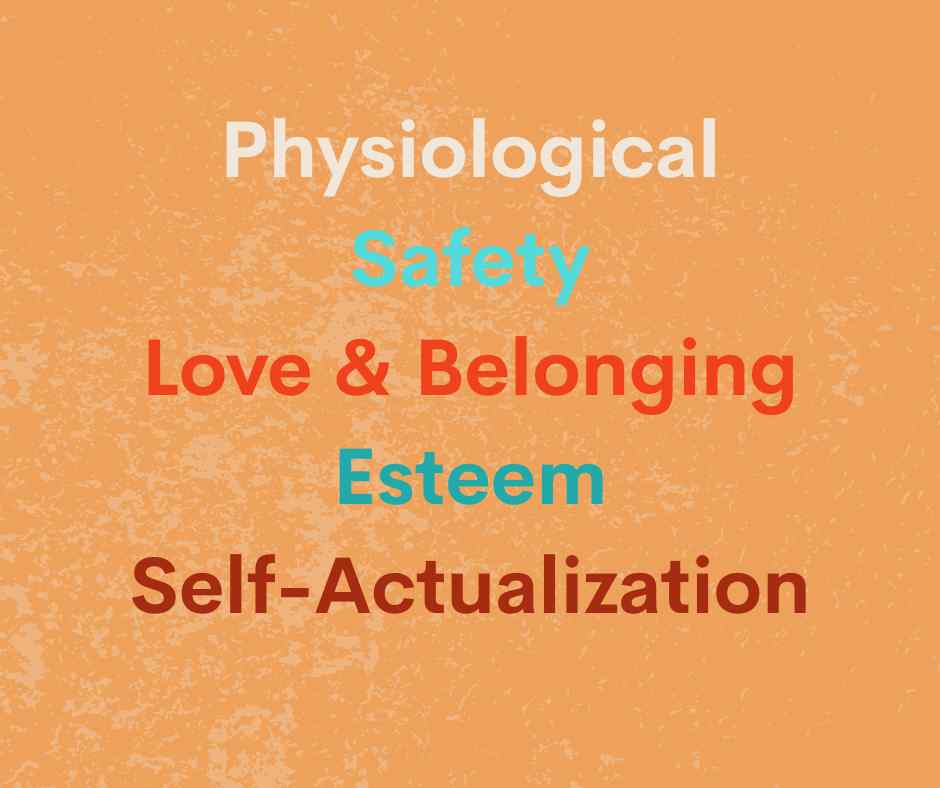
To create empathy we need to give our character(s) a lack of one or more of these then show their emotional reaction when confronted by something compelling, often the inciting incident that changes their lives.
Here are some examples of unmet needs that create an empathy-inducing vulnerability. As you read this list, think about how you have experienced each in your own life. You may also think of others I have left out.
Physiological Needs
- Hunger
- Thirst
- Lack of sleep
- Being too hot or too cold
- Having an injury or disability
- Experiencing physical pain
- Being exposed to the elements
Need for Safety
- Being hunted, chased, or trapped
- Worried about an unseen or imagined threat
- Experiencing fear of something in the environment or of another person(s)
- Fear of being injured or hurt
- Not having what is needed to survive, i.e. basic necessities, money, property, protection, etc.
Need for Love & Belonging
- Feeling unloved
- Being unable to love someone else
- Feeling or being abandoned
- Having no close ties to anyone
- Being all alone or lonely
- Being rejected
- Not belonging to a desired group
- Feeling invisible to others
- Feeling the loss of belonging or of a person or people
Need for Esteem
- Lacking confidence
- Feeling or being unrecognized
- Feeling disrespected or discriminated against
- Feeling inadequate
- Feeling inferior to others or being treated as inferior
- Disappointing others
Need for Self-Actualization
- Feeling unfulfilled
- Feeling or being unsuccessful
- Being non-achieving or not able to achieve
- Feeling like or being a failure
- Feeling regret at not doing or accomplishing something
- Not reaching a self-identified goal
- Not being able to perform when required
Maslow’s Needs in Action
If you look at the start of most successful novels, no matter the genre, you will find one or more of these vulnerabilities shown in the opening scene.
For example:
Kristin Hannah’s Nightingale opens with a woman feeling regret. (Love and Belonging)
The Medicine Woman of Galveston by Amanda Skenandore opens with a traumatized doctor panicking and failing to save a woman’s life. (Self-Actualization)
Margaret Atwood’s’ The Heart Goes Last opens with a couple living in their car being attacked by a gang.(Safety)
PD James starts Shroud for a Nightingale with a nurse waking up feeling a lack of sleep and an unwillingness to leave her warm bed and regretting taking on the extra job. (Physiological/Self-Actualization).
In The Elias Network by Simon Gervais , the main character is on a surveillance mission and feeling paranoid. (Safety)
In Kay L. Moody’s Ice Crown, the protagonist is on the verge of being chosen to train at the academy but dreads being torn away from her family, never to see them again. (Love and Belonging)
Starting with the Need Met
Not all novels start straight off with a need not being met or a vulnerability on the first page. There are some novels that begin with the protagonist in a positive situation then losing it. They are safe then they are not, or they are loved then that love is lost. They are successful then they fail. That contrast can also create empathy in the reader.
Summary
Whichever approach you choose, this is where the emotional arc of the story begins. Here is where the reader will identify your characters, be drawn into their lives, and be able to visualize themselves in that situation. They will bond emotionally with your character and keep on reading.
What basic need does your character or one in a book you are reading have at the beginning of the story?
Discover more from ZARA WEST'S JOURNAL
Subscribe to get the latest posts sent to your email.
